The clause nobody can comply with yet
Two weeks ago I wrote that banks had given AI agents a cancel button when customers needed a lock. This is a follow-up, because the ground has already moved. The contracts have started to arrive, and they go further than I had expected. A lock was the right idea for a single action, like freezing a card. An agent acts on your behalf over time, which makes it closer to a leash. Something you hold, adjust and can be held responsible for.
On November 24, Wells Fargo's updated Online Access Agreement takes effect, and it includes a new section on AI agents. Most of it reads the way you'd expect a bank to write about software it doesn't control. One sentence was interesting, though. If you give an agent access to your accounts and later take that access away, you "must retain evidence of such revocation" and hand it over if the bank asks. Until you tell the bank, you stay responsible for whatever the agent does.
So what would that evidence actually be? A screenshot of a settings screen in the agent's app, maybe, or an email you send yourself. I looked for a bank product that gives a customer a dated record of switching an agent off, and I couldn't find one. That's a search result rather than proof that none exists, but it's a gap.
The bank has written a requirement for a record that, as far as I can tell, no product produces yet. That's where this stops being a legal question and becomes a design one.
What the contract actually says
The revocation line above sits inside a larger structure, and the Online Access Agreement's Section 15 explains why it matters. If you let an agent act for you, its instructions are "deemed to have been initiated and authorized directly by you, without further verification." Using an agent is "AT YOUR OWN RISK," in capital letters, and you're "solely responsible" for monitoring it and keeping it inside the authority you gave it. In the same section, the bank says it does "not monitor, screen, or review AI Agent activities." For business transfers, Section 17(c) of the Online Access Agreement adds that letting an agent in "may adversely impact" the security procedures you agreed to, and that you accept that risk.
I should be fair to the banks here. As I covered in the earlier piece, the largest banks have said outside agents can read account data but not move money, and they keep finding agents in customer accounts anyway, mostly because customers hand over their passwords. A bank that can't see an agent will write terms that put the responsibility somewhere else, and for now that's probably what Section 15 of the Online Access Agreement is: a stopgap that covers the bank while better answers get built. The catch is how far it reaches. It applies whenever a customer uses an agent, not only when the bank permits one, and the consumer protection people assume they have may be thinner than they think. Regulation E, the federal rule for consumer electronic transfers, covers unauthorized transfers, but it leaves out transfers by someone the customer gave access to "unless the consumer has notified the financial institution that transfers by that person are no longer authorized." Whether an AI agent counts as that kind of person is still an open question, but it shows why the revocation clause carries so much weight. I'm not a lawyer, and this is how the contract allocates risk, not a prediction of how a dispute would end.
Read together, the contract hands the customer the leash without giving them anything to hold it with. The customer is responsible for supervision, scope and proof, and the only tools they have for any of it live in someone else's app.
How examiners are being taught to see it
Twenty days before those terms take effect, the OCC published a supervisory framework for bank examiners, the regulators who inspect how banks manage risk, reviewing AI use (Bulletin 2026-54, November 4). This is a resource for examiners, and the bulletin says outright that it "does not establish supervisory expectations for banks." It's also about AI that banks deploy themselves, not agents customers bring with them, so it doesn't speak to Section 15 of the Online Access Agreement directly. Even so, it appears to be the clearest public statement of how the people who review banks are being asked to think about an agent that can move money.
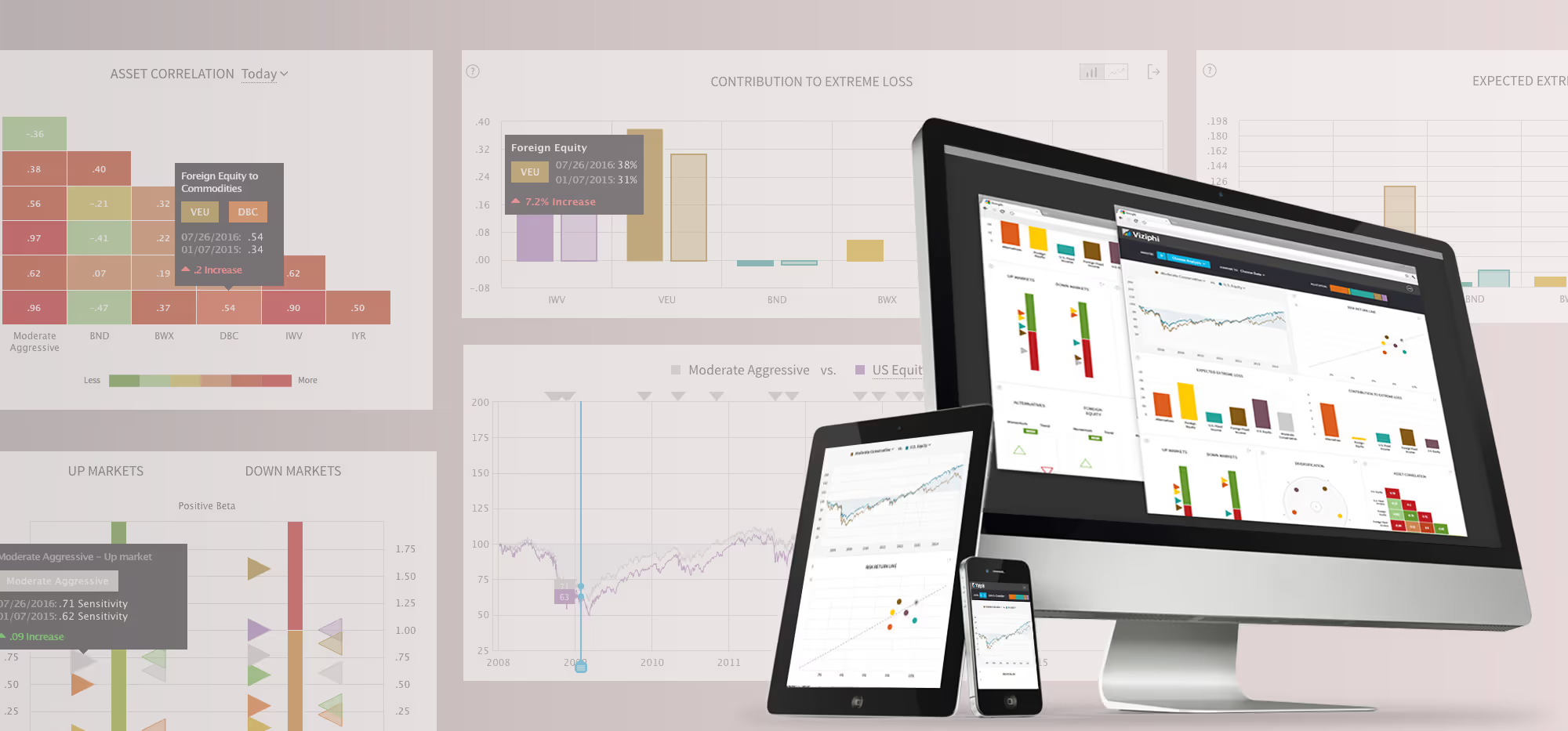
This framework sorts AI use into four illustrative risk tiers, based on how much harm a mistake could do, whether it can be undone, and/or how involved a person is:
- Tier 1, Critical: acts directly, with little or no way to undo it, high impact, and no person approving each step. Examples include autonomous payment agents and real-time credit decisions.
- Tier 2, High: acts or weighs heavily on decisions, with a person monitoring and able to step in. Examples include AI-assisted underwriting and agent-sent customer messages.
- Tier 3, Moderate: supports decisions, a person approves each one, and mistakes can be reversed. An example is summarizing documents for credit memos.
- Tier 4, Low: no customer or financial data, no direct action, and people stay in full control. Internal productivity tools sit here.
The bulletin says classification can rest on "potential consequences, transfer of agency, and the degree of human oversight rather than the technical sophistication" of the system. And a fully autonomous, customer-facing payment agent lands in Tier 1 "regardless of how well it performs in testing."
That last phrase is a design brief hiding in an exam guide. A capable model doesn't earn trust on its own; what sets the bar is what happens when it's wrong and whether anyone can undo it.
Three places the leash could live
If an agent can move money, something has to limit what it does, and, I believe, right now there are three candidates for where that limit sits.
The first is the contract, which is where most of it lives today. Contracts are good at deciding who pays after something goes wrong, but they don't stop anything from going wrong, and very few customers will read Section 15 of the Online Access Agreement before connecting an agent.
The second is the agent itself. Some of the more careful agent products already build limits in. Wirex's Navoka, launched in November on an invite-only basis, lets customers set daily caps the agent can't override and holds anything outside them for manual approval. That's real progress, but every vendor does it differently, and none of it is visible to the bank that's holding the money.
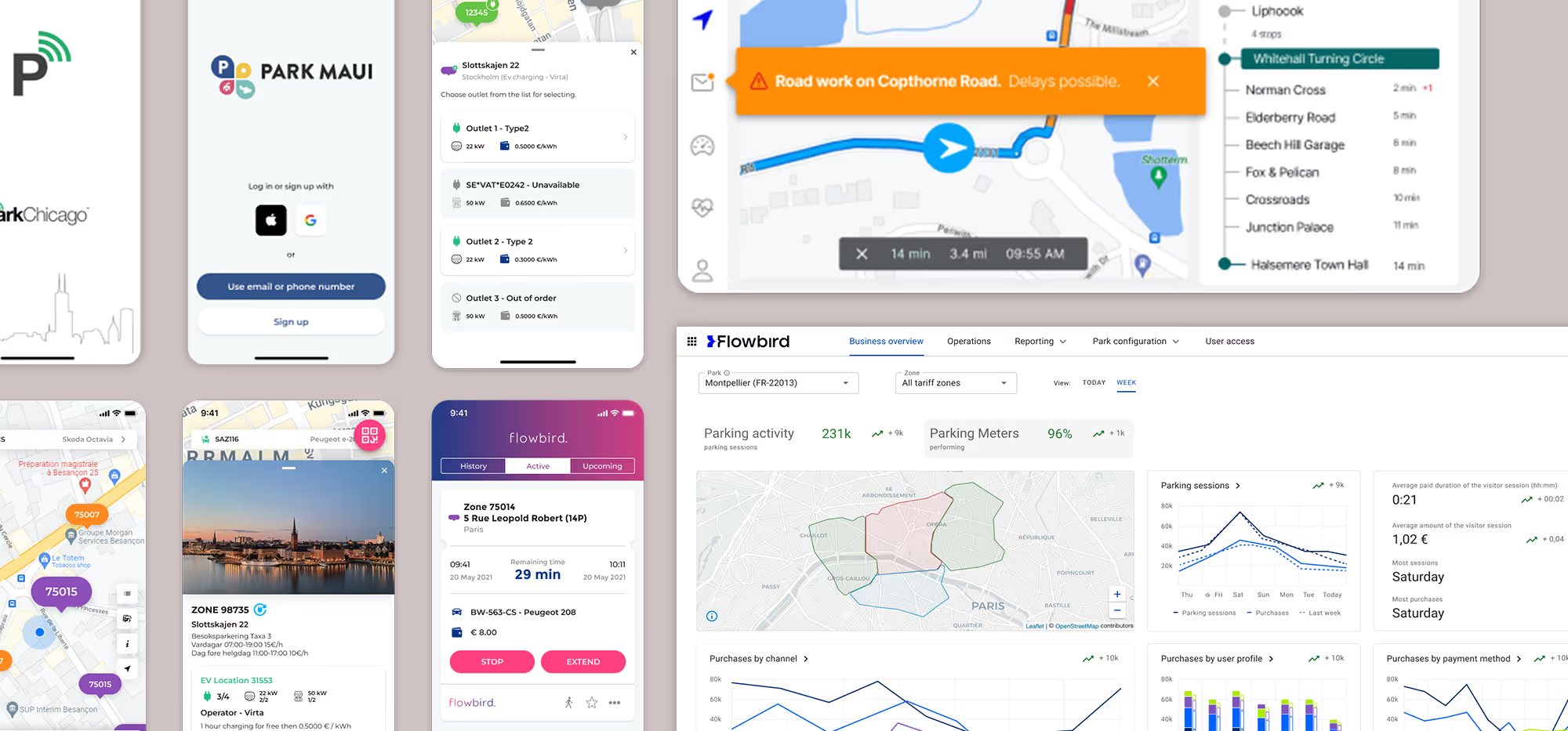
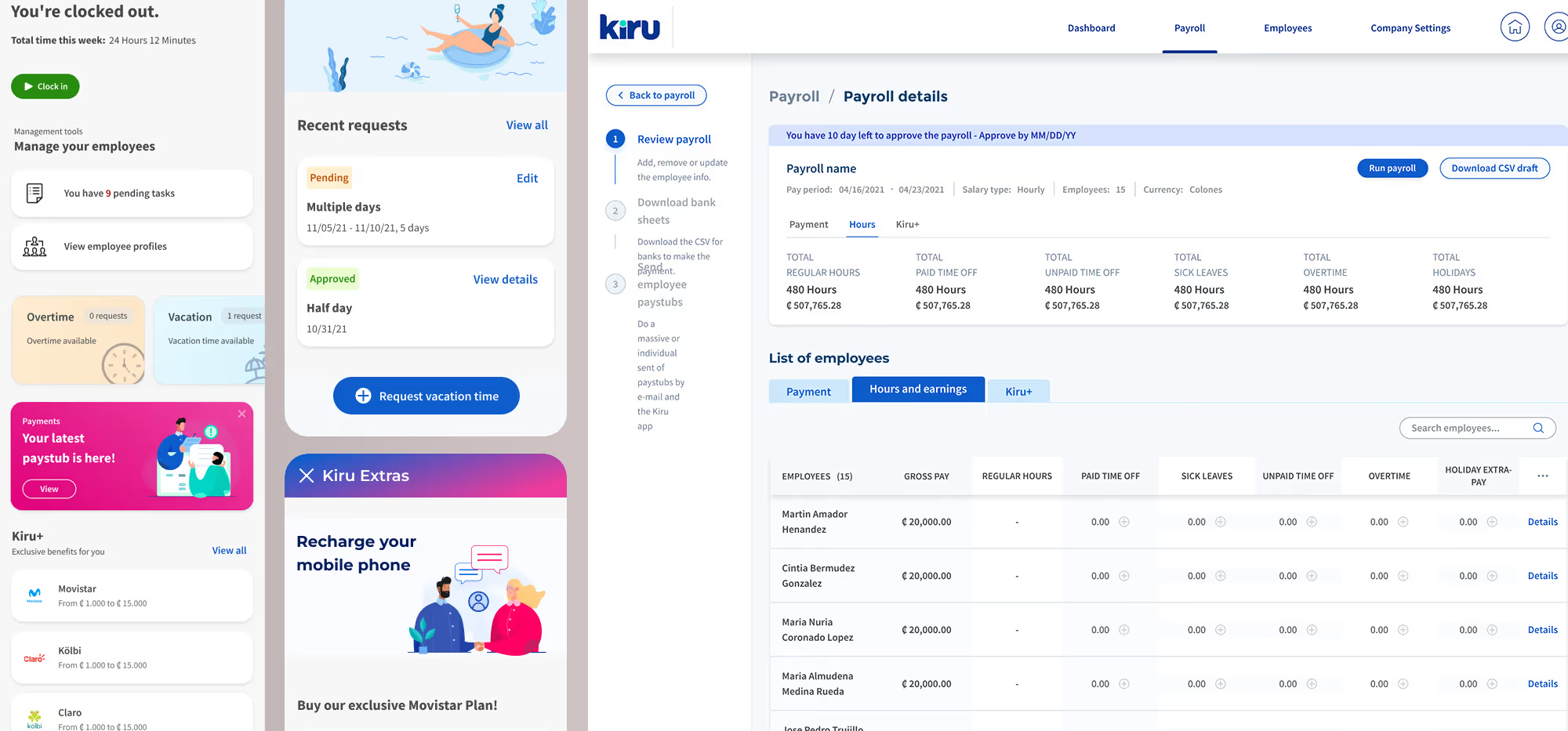
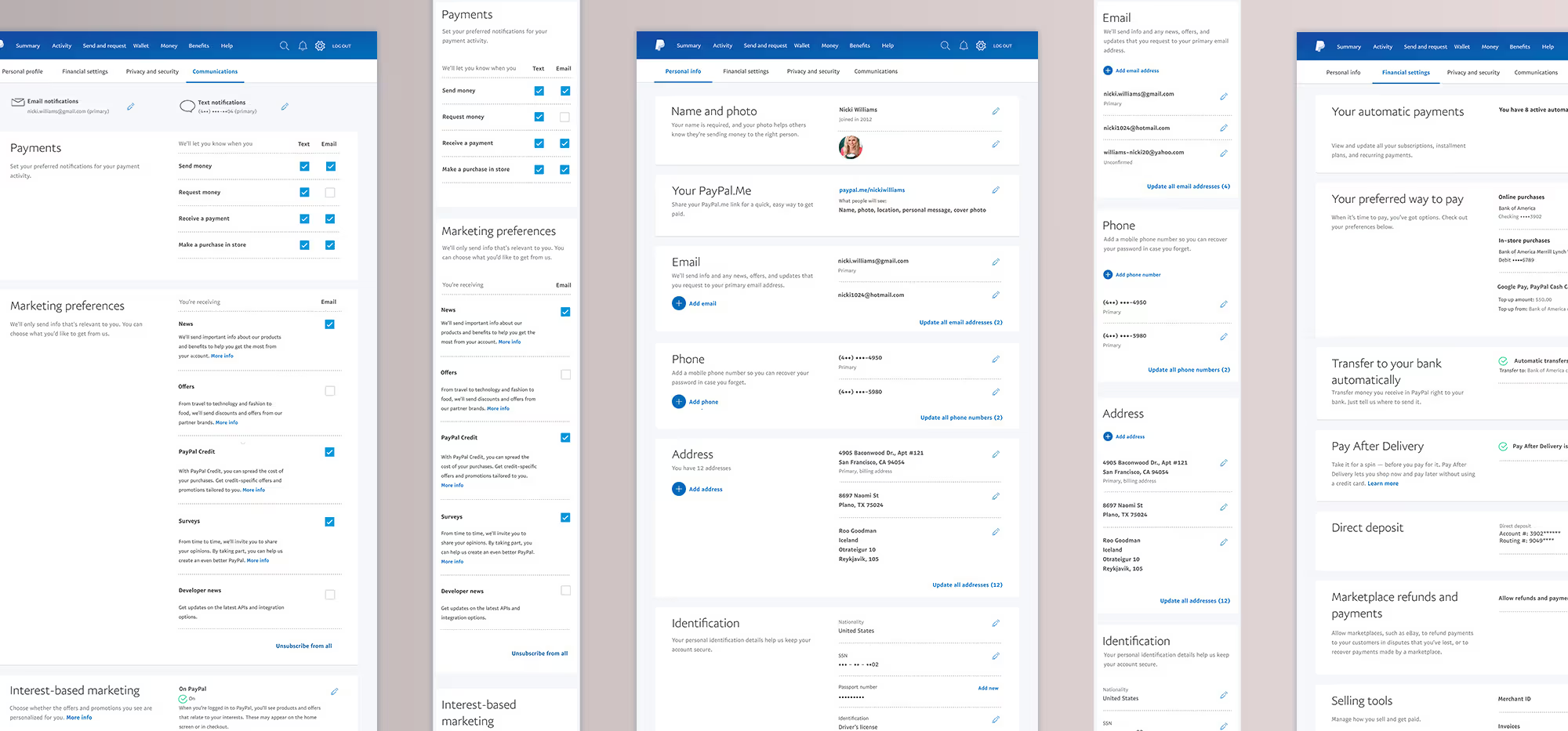
The third is the product surface between the account and the agent, meaning the place inside the banking experience where a customer grants access, sees what each agent is allowed to do, watches what it did, and turns it off. It's the only one of the three where the customer can both set the limits and prove what they were.
This isn't hypothetical, either. In May, Robinhood, which isn't a bank, opened its platform to agents through its own server. An agent gets a dedicated virtual card with a spending limit only the customer controls, an option to approve every purchase manually, and no access to the customer's main card number. Agent trading runs in a separate account with an activity feed, and the customer can disconnect the agent or delete the card with one tap. If something goes wrong, Robinhood's support team can see what the customer asked the agent to do and what it actually did. In the earlier piece I said I hadn't seen anyone put scope, limits, reversibility, visibility and escalation together in one place a customer can see. Robinhood's own announcement shows it has most of them. It says nothing about a record of revocation, but it shows the layer can be built.
The leash belongs where the customer can see it and prove it, and that's the banking product itself. The contract can still allocate risk, and agent vendors can still add their own limits, but neither one gives the customer a record they control.
What a designed leash looks like
None of this needs new technology. It needs someone to treat agent access as a product rather than a clause. The earlier piece covered what any lock needs: scope, limits, reversibility, visibility and escalation. The Online Access Agreement makes three more things necessary.
- Controls that tighten with consequence. Small, reversible actions can flow, while large or hard-to-reverse ones ask for a person's approval. These are the OCC's own factors, applied as interface rules instead of exam questions.
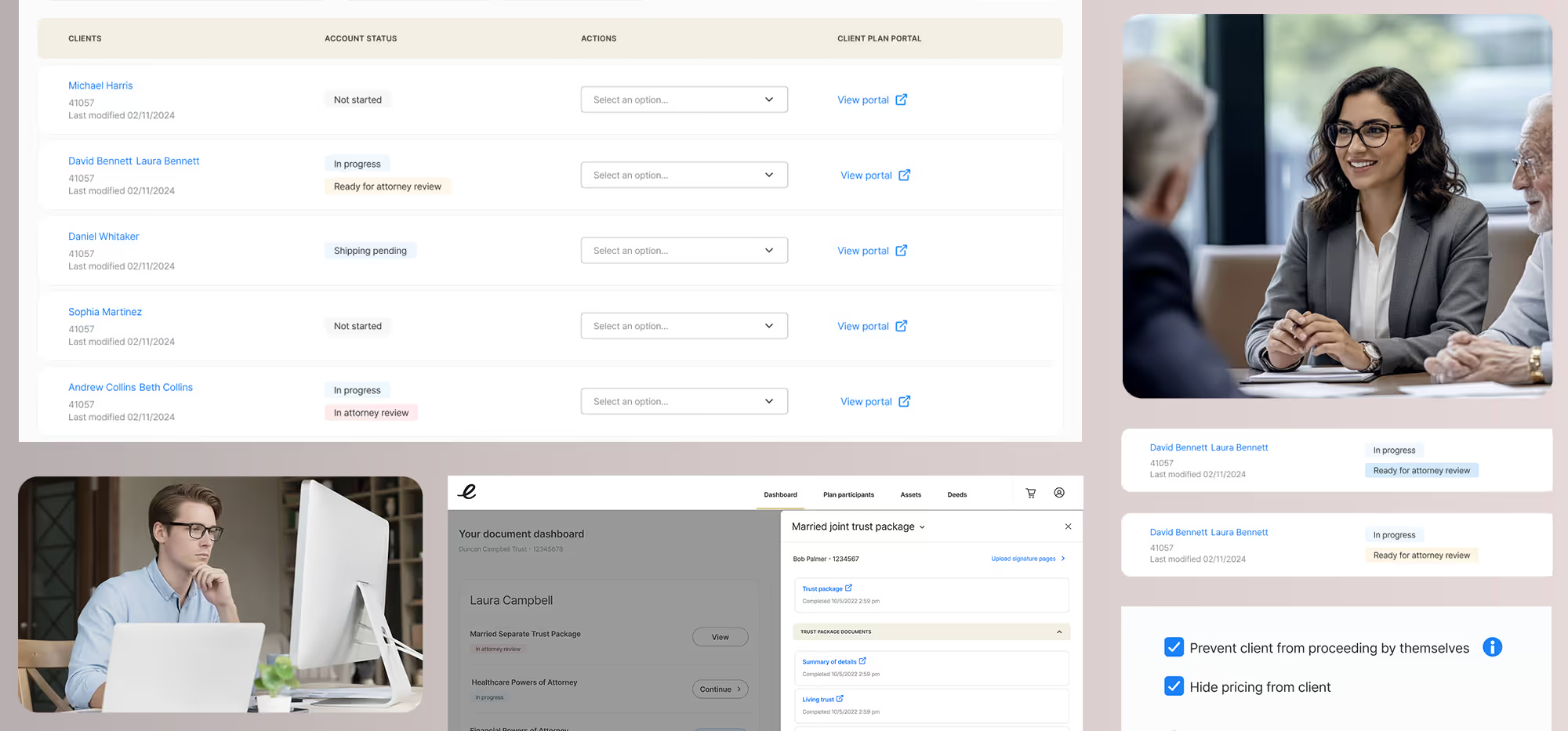
- Revocation as a first-class action. One clear place to switch an agent off, which produces a dated receipt the customer can keep and export. That receipt is exactly the evidence Section 15(f) of the Online Access Agreement asks for.
- Registration as an onboarding moment. The agreement already reserves the right to require customers to register their agents. Done well, that step is where a customer learns what the agent can and can't do, rather than a form they click through.
Approvals only help if they mean something. The OCC framework makes the same point about banks' own systems. Review should be defined "so that approval is more than a nominal click," because "high volumes or bulk approval could reduce review quality and contribute to alert fatigue." That deserves its own piece at another time.
Each of these turns an obligation in the contract into something the customer can actually do.
Why it's worth building first
The industry has been here before. When banks decided outside apps could read account data, the permissioned, read-only connector became the sanctioned path, and it set the pattern everyone followed. Whoever designs the equivalent layer for agents that act will likely set the next pattern. A bank that ships it turns from a liability into a reason to trust it. A bank that doesn't will keep relying on terms most customers will never read.
The obvious objection from a bank is that it doesn't control or endorse outside agents, which is exactly what Section 15(b) of Wells Fargo's Online Access Agreement says, so building controls for them would look like taking ownership of the risk. I'm not sure that holds up. The same agreement already reserves the right to require customers to register their agents and to restrict specific agent actions. Banks also built the permissioned connector for outside apps without endorsing those apps. Giving customers a way to limit and switch off an agent isn't vouching for it. It's what lets them meet the obligations the bank has already handed them.
Until that layer exists, customers are accountable for supervising something they have no good way to see, and that's a design problem before it's a legal one.
References
Eric Tomlinson: Banks Gave AI Agents a Cancel Button. Customers Need a Lock. (October 2026)
Wells Fargo: Online banking updates notice (November 2026)
OCC: Bulletin 2026-54, Super Intelligence: Supervisory Framework (November 2026)
OCC: Super Intelligence Supervisory Framework, Sections 2.3 and 3 (November 2026)
Cornell LII: 12 CFR 1005.2(m), Regulation E definition of unauthorized electronic fund transfer
Robinhood: Robinhood is now open to agents (May 2026)
FF News: Wirex launches Navoka (November 2026)
PYMNTS: Big banks won't let outside AI agents move customer money (October 2026)
CBS News: Banks find unauthorized AI agents inside customer accounts (October 2026)