AI in Product Design: Where It Helps, Where It Breaks, and What Mature Teams Do Differently
Introduction: The Wrong Question About AI in Design
The most common question about AI in product design is the wrong one.
It is not whether AI will replace designers. It is not whether AI is good or bad. It is not even which tools teams should adopt.
The real question is simpler and more consequential.
What parts of design work become cheaper with AI, and which parts become riskier?
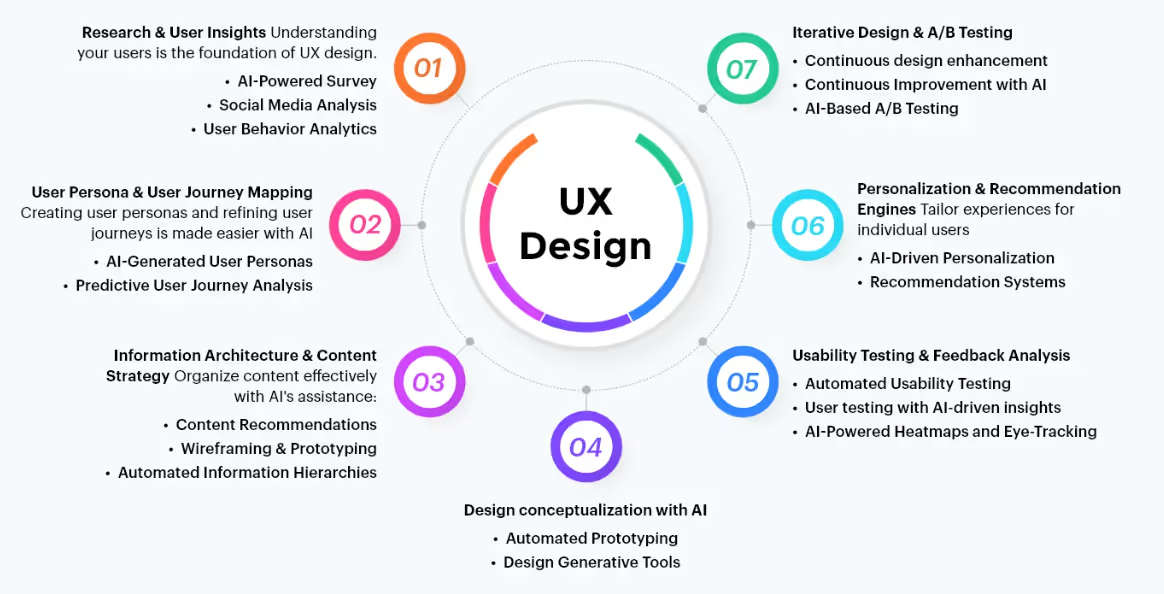
AI is already embedded across modern product design workflows. Teams are using it to generate content and copy, accelerate research and planning, analyze work, support ideation, outline case studies, explore wireframes, generate assets, assist with automation, and reinforce brand and system consistency.
The impact is real. So are the risks.
AI accelerates design output. Mature teams protect outcomes.

What AI Is Actually Changing in Product Design
AI is not changing what good design looks like. It is changing the cost curve of getting there.
Specifically, AI is lowering the cost of:
- Exploration and ideation
- Synthesis of research and feedback
- Documentation and communication
- Generating variants within known constraints
These are high friction activities in most organizations. AI reduces that friction dramatically.
What AI is not changing:
- Accountability for decisions
- Tradeoff judgment
- Ethical responsibility
- Compliance and accessibility obligations
This distinction matters. When teams confuse acceleration with authority, risk enters quietly.
"Adoption of AI is widespread but uneven. In 2024, 78 % of organizations were using AI in at least one business function, up from 55 % the previous year, showing rapid movement from experimentation to real use cases across enterprises."
AI makes design work faster. It does not make design decisions safer.
Where AI Adds Real Leverage Today
Used well, AI is an amplifier for experienced teams.
The highest leverage use cases today are bounded, assistive, and reviewable.
AI performs best when:
- The problem space is constrained
- Inputs are clear
- Outputs are treated as drafts
- Human judgment remains in the loop
In practice, this includes:
- Early ideation and divergent exploration
- Summarizing user research and qualitative data
- Drafting documentation, specs, and guidelines
- Supporting design system usage and consistency
- Generating options that designers refine, not accept
In these contexts, AI compresses time to insight without removing responsibility.
"For practitioners on the ground, AI is already meaningful. According to State of AI in Design 2025, 89% of designers report that AI has improved their workflow by helping with research, reducing busywork, and accelerating early ideation."
Where AI Breaks Down, Often Quietly
The most dangerous failures are not obvious ones.
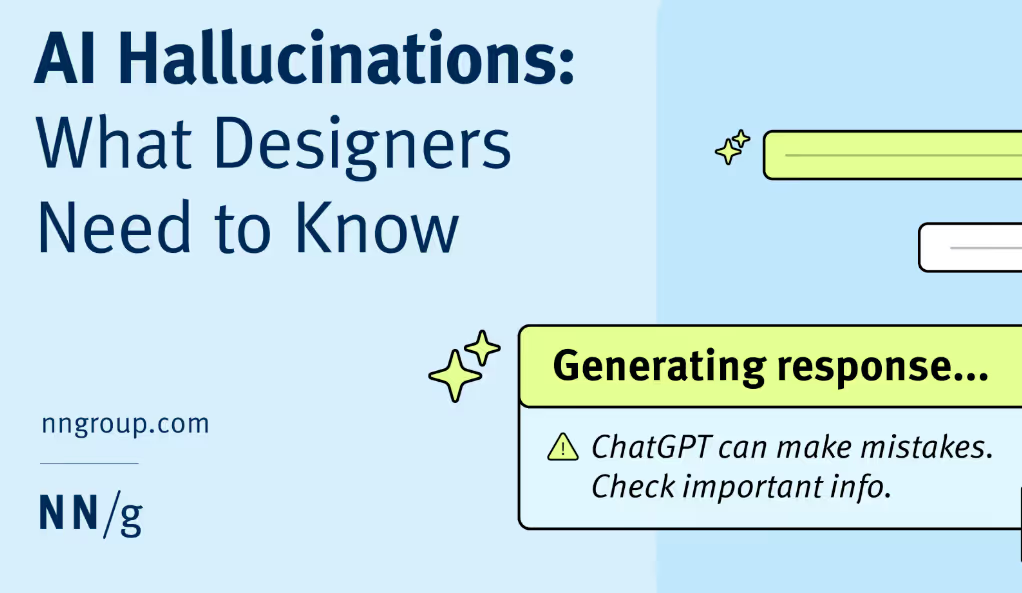
AI rarely fails loudly. It fails plausibly.
Common breakdowns include:
- Hallucinated rationale or requirements
- Subtle drift from design systems and brand rules
- Accessibility regressions that go unnoticed
- Loss of decision traceability
- Junior designers skipping learning steps
These issues often surface late, after output has already shipped.
This is not a tooling problem. It is a maturity problem.
AI fails most often when teams stop questioning plausible output.
AI and Design Systems: The Hidden Power Pair
AI without a design system amplifies inconsistency.
AI with a design system reinforces coherence.
This pairing is where many teams leave value on the table.With strong systems in place,
AI can:
- Accelerate documentation and usage examples
- Support migration guidance
- Reinforce correct pattern usage
- Detect drift between intended and implemented designs
Without systems, AI simply generates more variation faster.
This is one reason mature teams see compounding returns while immature teams experience compounding chaos.
AI in Regulated and High Trust Environments
In regulated and high trust environments, AI does not reduce responsibility. It increases the importance of review.
AI can be a real advantage in:
- Supporting regulatory consistency
- Identifying gaps
- Reinforcing accessibility and standards
What does not change:
- Final accountability
- Ownership of decisions
- The need for human verification
Every output still requires a responsible owner.
AI can assist compliance. It cannot assume liability.
This distinction is critical in finance, public sector, healthcare, and accessibility-sensitive domains.
Where AI Fits on the UX Maturity Curve
AI does not flatten maturity differences. It magnifies them.
- Early stage teams use AI to explore faster
- Growth stage teams use AI to reduce rework and inconsistency
- Enterprise teams use AI to reinforce systems and reduce risk
At every stage, AI changes how fast teams move. It does not change what good looks like.
"Leadership expectations reflect strategic urgency: 95 % of engineering leaders believe design teams need full AI adoption within two years, often to accelerate reviews and enforce standards."
Closing: AI Raises the Bar, It Does Not Lower It
AI is not a shortcut around design maturity.
It makes weak systems more visible. It rewards teams with clarity. It punishes teams that confuse speed with quality.
Organizations that integrate AI thoughtfully do not move faster because machines decide for them. They move faster because decisions are clearer, constraints are stronger, and accountability is explicit.
AI accelerates design output. Mature teams protect outcomes.
Related: AI in product design, a strategic guide for leaders.
[ Let's talk ]
Whether you’re exploring a new product, refining an experience, or interested in me becoming more permanently involved in your endevor, I’d love to connect. I bring experience across industries, mediums, and technologies, and I enjoy helping teams and individuals think through their most interesting design challenges.
[ Selected work ]
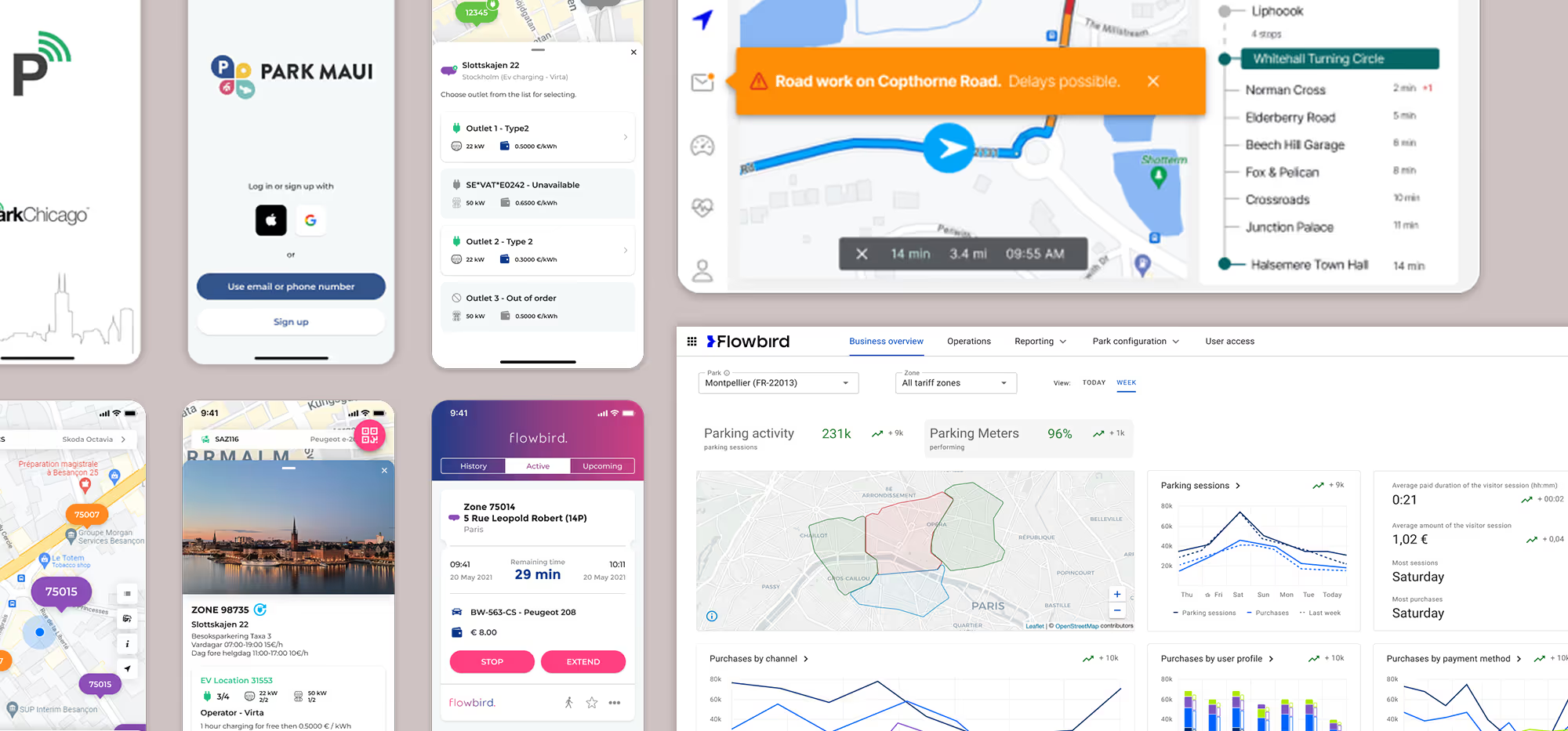
Flowbird: UX Maturity
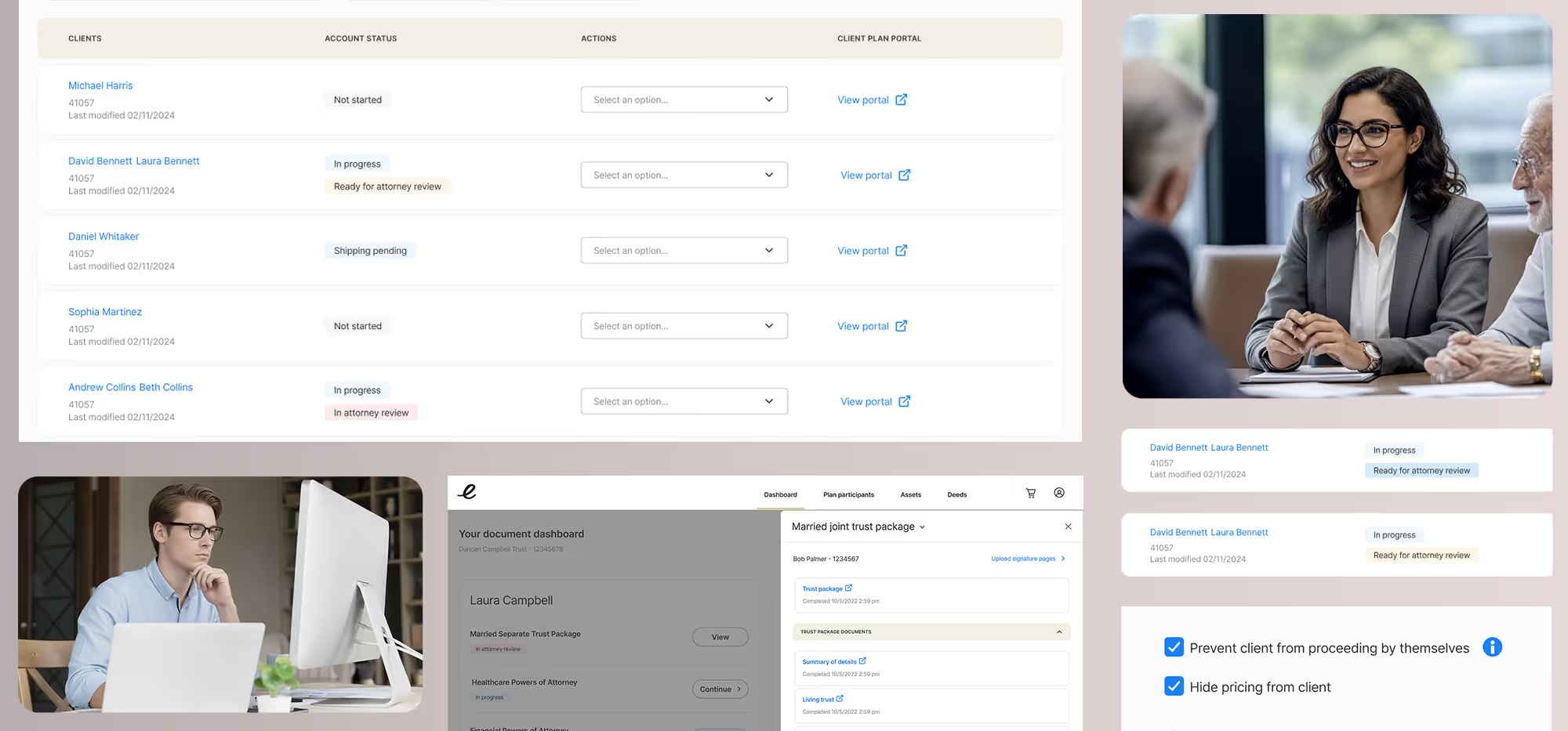
Estate Guru: Modernizing Estate Planning
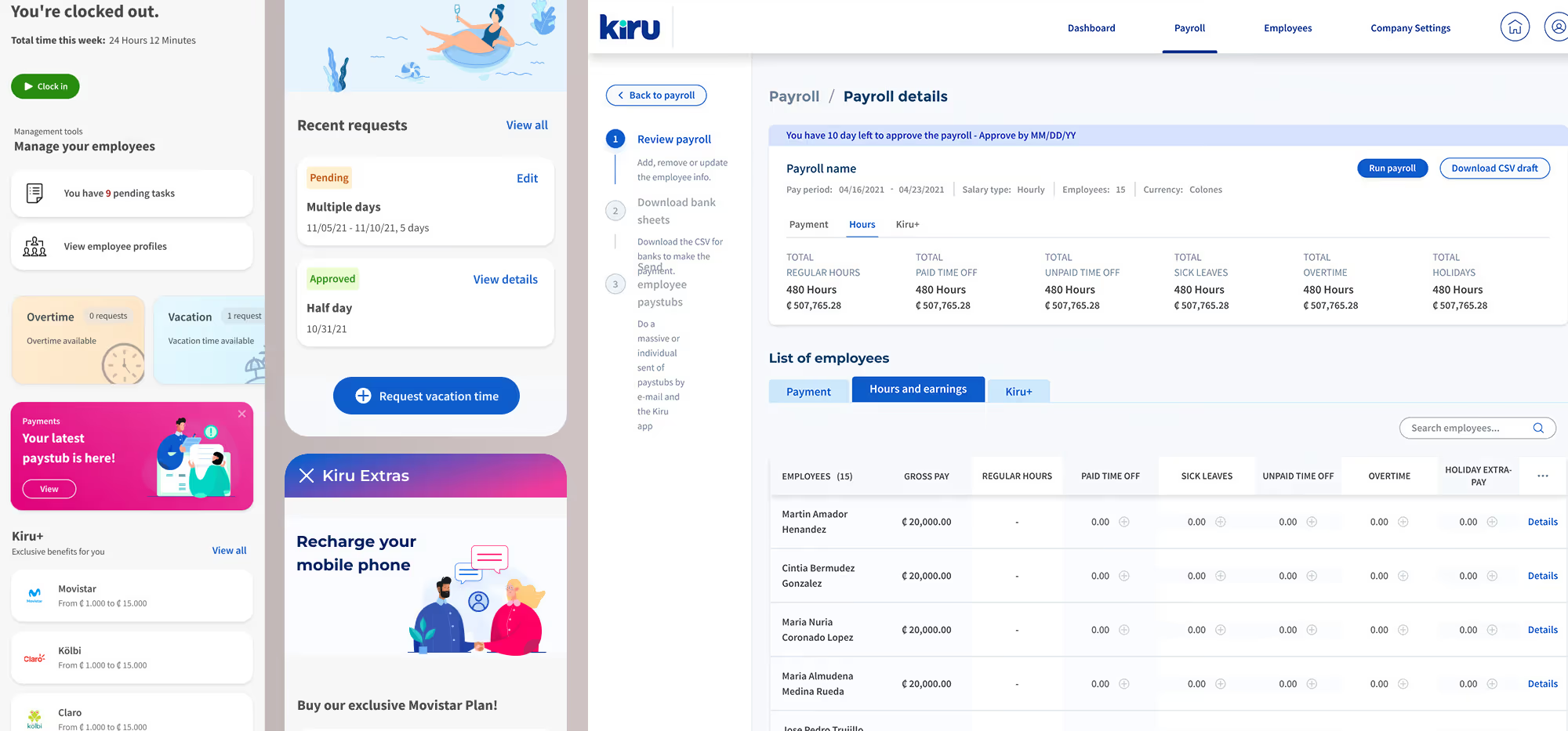
Kiru: A Payroll Startup

PayPal: Unified Card System
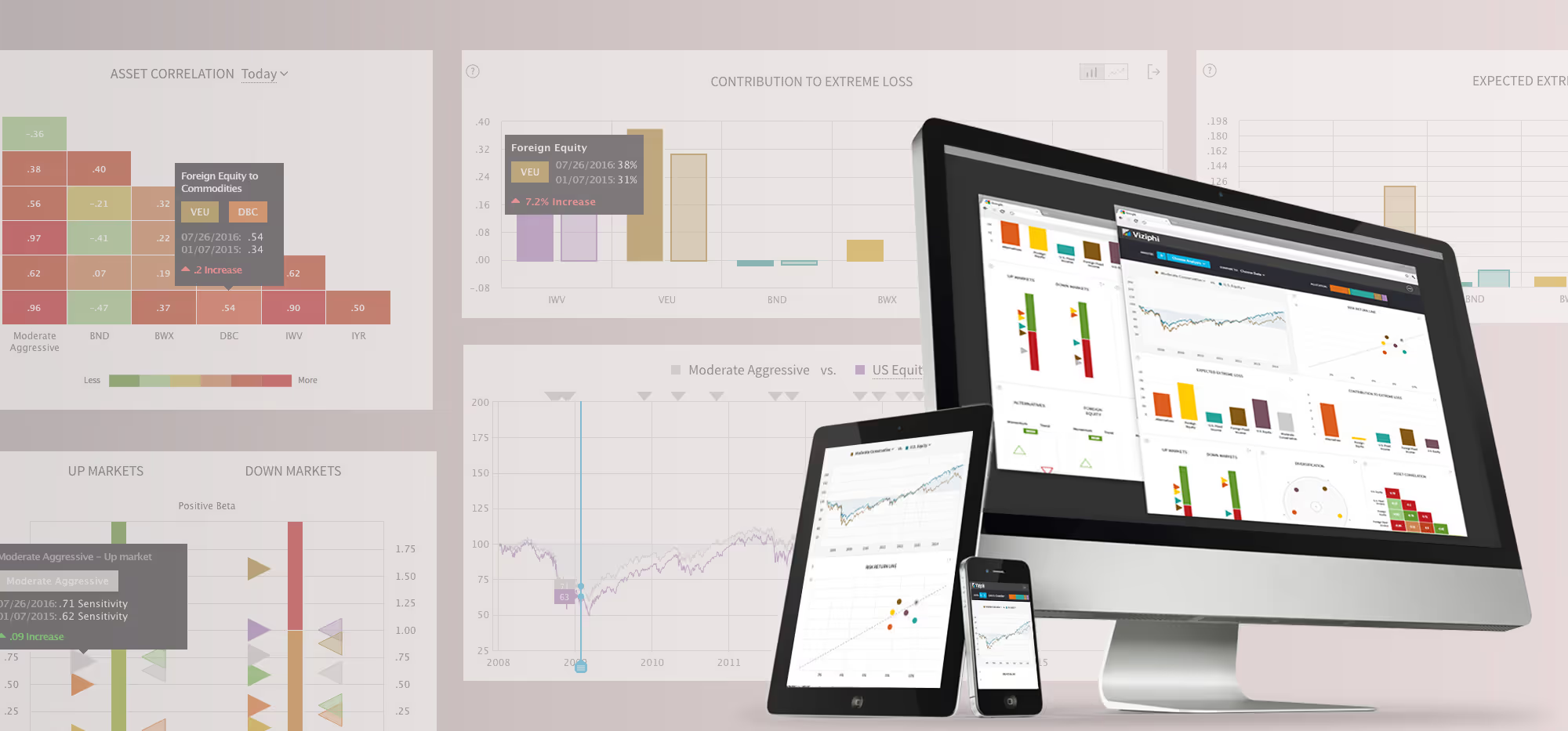
Viziphi: Visualizing Wealth
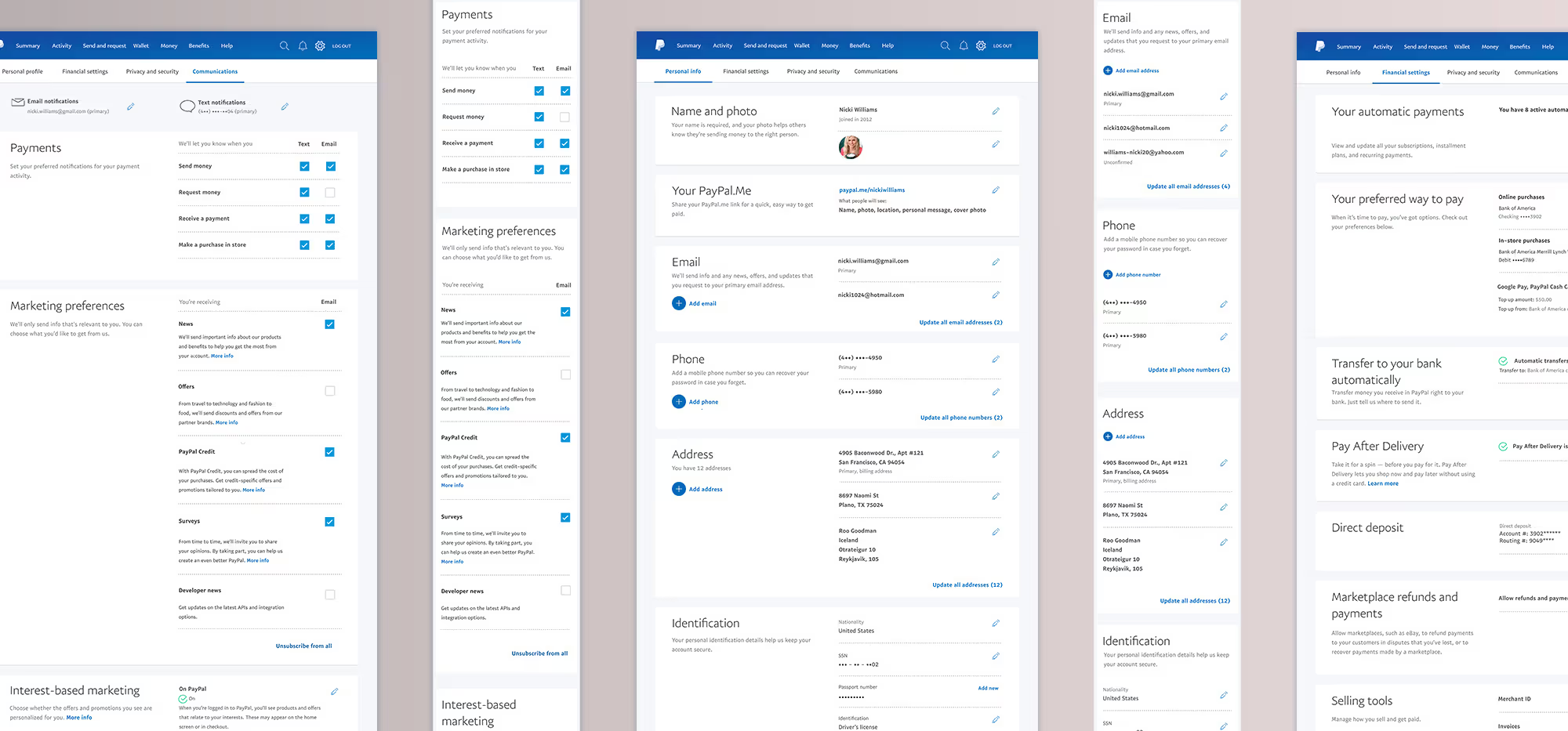
PayPal: Settings Redesign
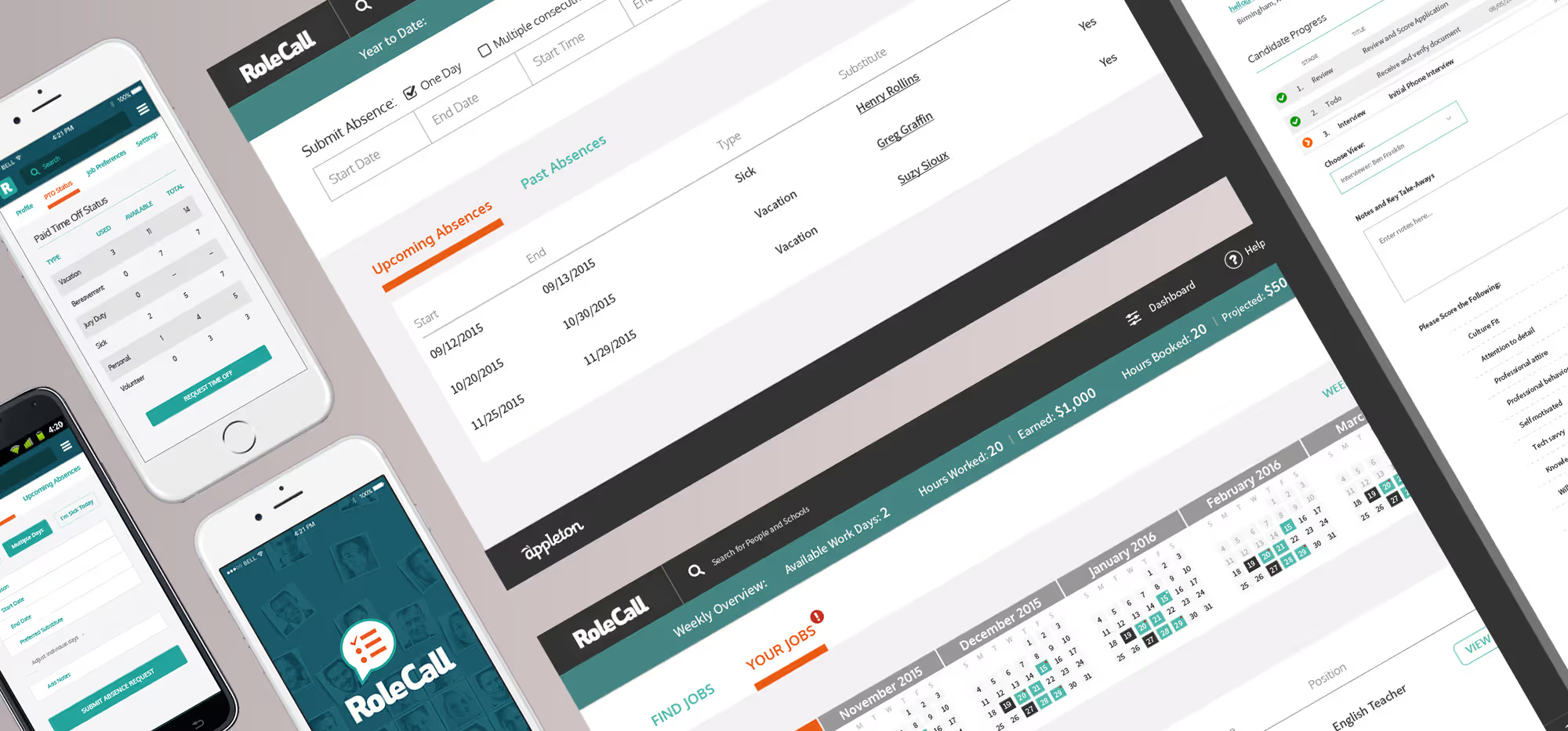
RoleCall: A Platform for K-12 Staffing
