Why Most Design Systems Fail at Scale (And What Actually Works)
Introduction: The Design System Expectation Gap
Design systems are often positioned as a solution to inconsistency, slow delivery, and fragmented user experiences. Build a shared library, align teams, and quality will scale.
That expectation rarely holds.
As products grow, teams multiply, and constraints increase, many design systems begin to fracture. Adoption drops. Exceptions pile up. Consistency erodes. Teams blame tooling, process, or discipline.
The underlying problem is usually something else.
Most design systems fail not because they are poorly designed, but because organizations mistake components for systems.
What a Design System Actually Is
A design system is not a UI kit, a Figma library, or a one-time project.
At scale, a design system is:
- A shared language for design and product decisions
- A set of standards and patterns with clear ownership
- A coordination mechanism across teams and functions
- A way to reduce decision overhead as complexity grows
Research from Nielsen Norman Group consistently shows that effective design systems succeed when they change how decisions are made, not just how interfaces look.
If a system does not influence decisions, it is not a system. It is documentation.
Design systems do not create alignment.
They reveal whether alignment already exists.
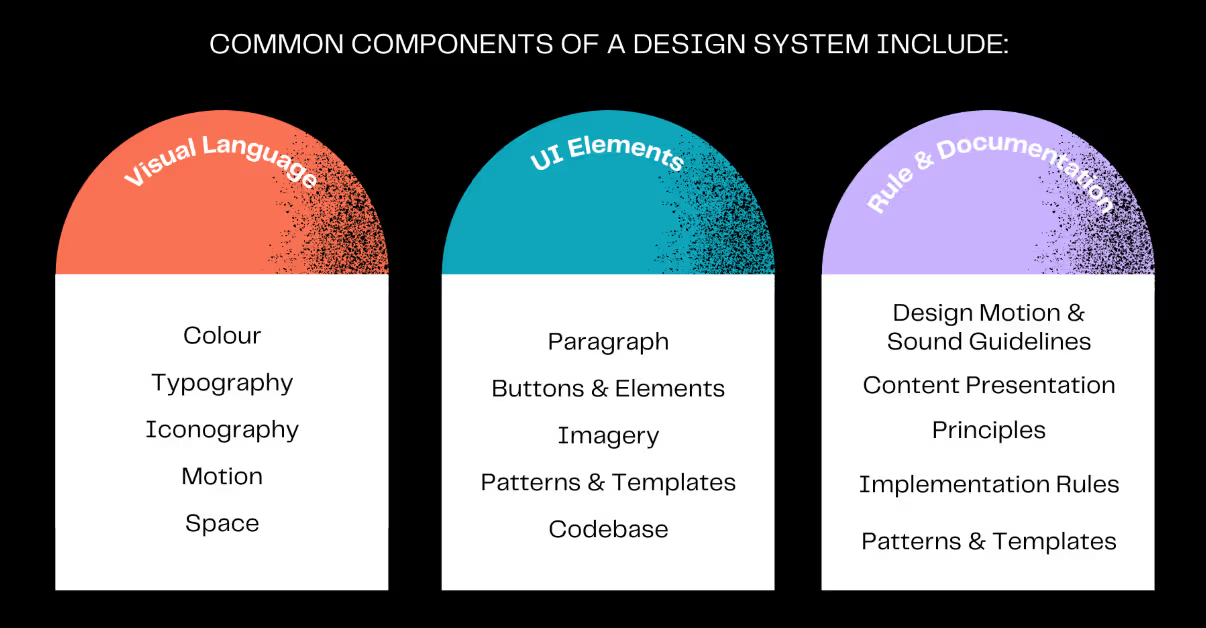
Why Design Systems Break at Scale
Design systems tend to fail for predictable reasons.
Common breakdowns include:
- No clear ownership or governance
- Competing priorities across teams
- Inconsistent enforcement
- Design and engineering drifting apart
- Delivery pressure overriding standards
Scale does not introduce these problems. It amplifies them.
As organizations grow, informal agreements stop working. Without clear decision rights and accountability, systems fragment under pressure.
Tooling Is Not the Problem
When systems struggle, teams often look for better tools.
Switching libraries, introducing tokens, or adopting new frameworks can help at the margins, but they rarely solve the root issue. Tooling enables systems. It does not govern them.
Research from McKinsey shows that strong design performance correlates more with leadership alignment and organizational clarity than with tools or process maturity alone.
Better tools cannot compensate for unclear ownership.
Better tools cannot compensate for unclear ownership.
Where AI Helps, and Where It Cannot
AI is already changing how teams work with design systems, but it does not change the underlying requirement. A system needs clear rules, ownership, and governance before automation helps.
Used correctly, AI can help teams:
- Detect drift between design systems and production code as products scale
- Accelerate documentation, usage examples, and migration guidance so adoption stays healthy
- Increase development throughput when code generation is constrained by system rules and review gates
AI cannot resolve ambiguity or make product tradeoffs. It can only accelerate the decisions an organization is already making.
As speed increases, governance and decision clarity become more important, not less.
AI increases speed. Governance protects quality.
AI can scale a design system, or scale inconsistency. The difference is whether the system has clear rules, ownership, and enforcement.

Design Systems as an Organizational Capability
Design systems succeed when they are treated as operational infrastructure.
That requires:
- Long-term ownership, not project-based stewardship
- Alignment with product strategy and roadmap priorities
- Ongoing evolution as products and markets change
- Explicit support from leadership
This is why design system success correlates strongly with UX maturity. Organizations that struggle with decision making, accountability, or cross-functional alignment will struggle to sustain systems at scale.
Design systems expose organizational reality faster than almost any other UX initiative.
Design Systems Under Real Constraints: Estate Guru
Design system maturity becomes most visible in complex, regulated environments.
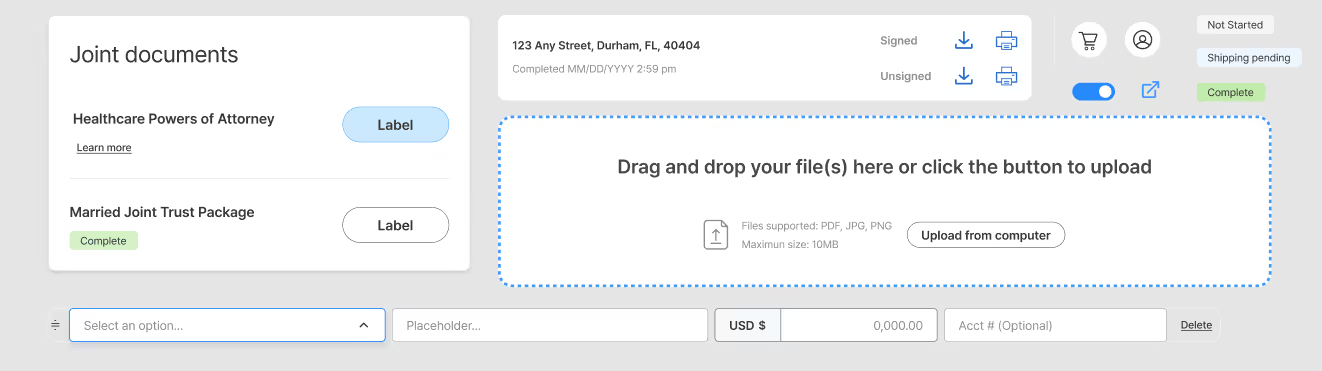
At Estate Guru, scaling a legacy fintech platform exposed the limits of ad hoc design decisions. The product served advisors, institutions, and end clients while operating under legal and compliance constraints. As features expanded, inconsistency increased risk, slowed delivery, and raised cognitive load for both users and teams.
The design system effort succeeded only after the focus shifted from visual alignment to leadership and governance.
At a system level, this resulted in:
- Fewer design and implementation errors
- Faster design, review, and development cycles
- Greater consistency in the shipped product
- Reduced friction when introducing new features
- A platform that could scale without collapsing under its own complexity
The system worked because it reduced decision overhead and risk, not because it enforced uniformity.You can see how this approach shaped the platform in the Estate Guru case study
If a system depends on individual discipline, it will not scale
Governance Is the Missing Layer
Design system governance is often misunderstood as bureaucracy.
In practice, governance enables speed by answering hard questions in advance:
- Who owns decisions
- How patterns evolve
- When exceptions are allowed
- How changes are communicated and enforced
Public sector guidance, including from the UK Government Service Design community, consistently emphasizes governance as a requirement for maintaining quality across large, distributed systems.
Without governance, systems drift. With it, teams move faster with less debate.
How to Tell If Your Design System Is Actually Working
A working design system shows up in outcomes, not adoption metrics.
Signals of success include:
- Faster delivery without quality loss
- Clear decisionFewer one-off exceptions
- Shared understanding across teams
- Reduced debate over fundamentals
- Clear escalation paths when conflicts arise frameworks
Adoption alone is not success. Decision clarity is.
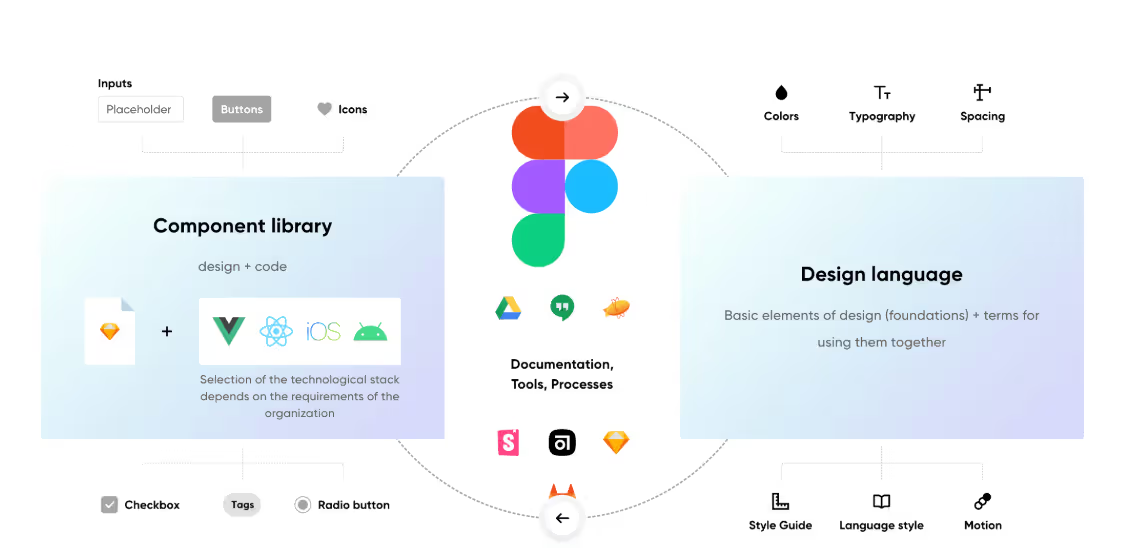
What Actually Works at Scale
Design systems that scale share common traits:
- Executive sponsorship
- Dedicated system ownership
- Clear principles and scope
- Governance aligned with product strategy
- Continuous evolution
Design systems are never finished. They either evolve intentionally or fragment quietly.
Practical Takeaways
- Treat design systems as infrastructure, not deliverables
- Invest in governance before expanding scope
- Fix incentives before blaming tools
- Use scale to diagnose organizational gaps
Systems Reflect Leadership
Design systems succeed or fail based on leadership clarity.
At scale, systems expose organizational truth faster than audits, roadmaps, or process diagrams. When design systems work, it is because leadership has aligned decision making, ownership, and accountability.
When they fail, the system is rarely the root cause.
Let's talk
Whether you’re exploring a new product, refining an experience, or interested in me becoming more permanently involved in your endevor, I’d love to connect. I bring experience across industries, mediums, and technologies, and I enjoy helping teams and individuals think through their most interesting design challenges.
[ Selected work ]
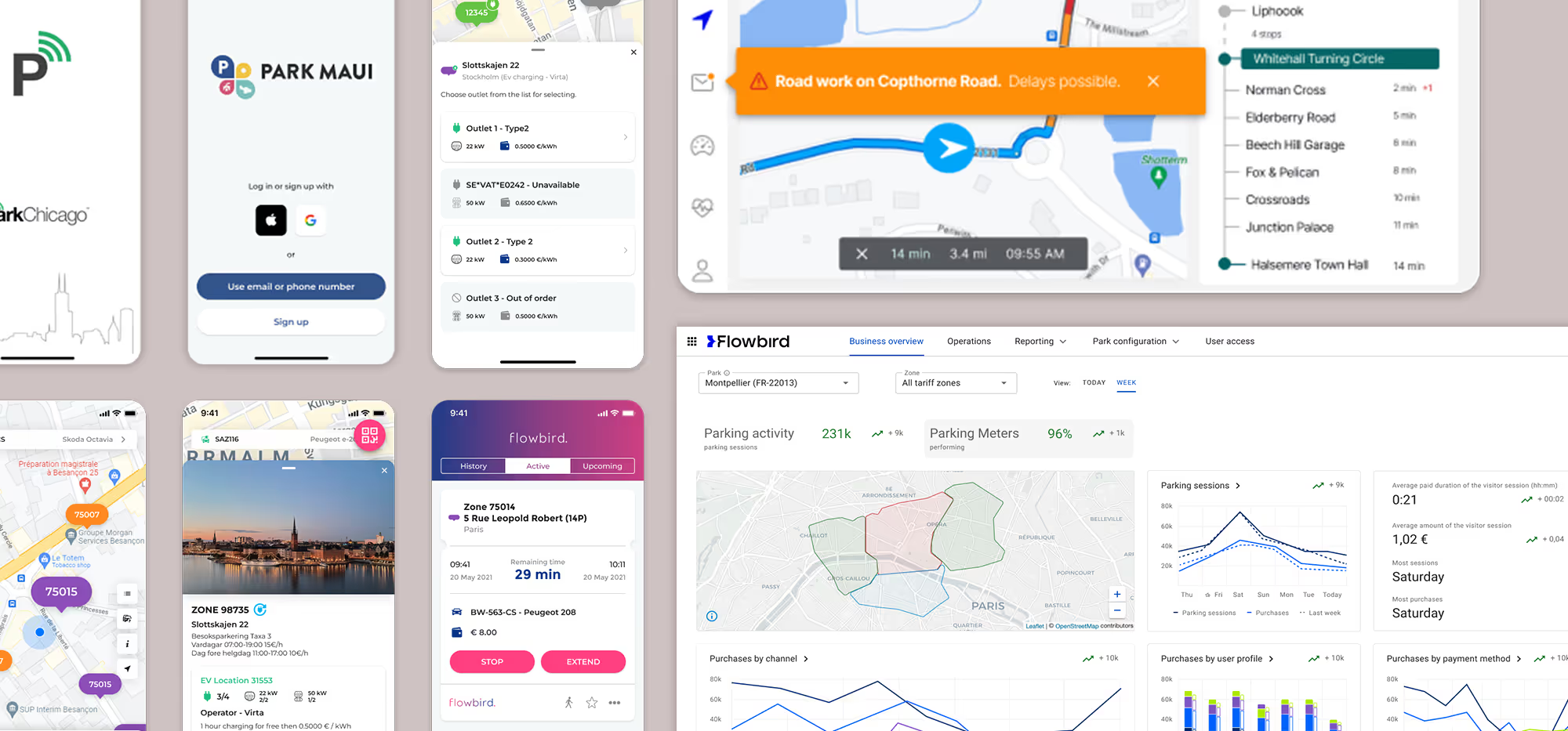
Flowbird: UX Maturity

Estate Guru: Modernizing Estate Planning
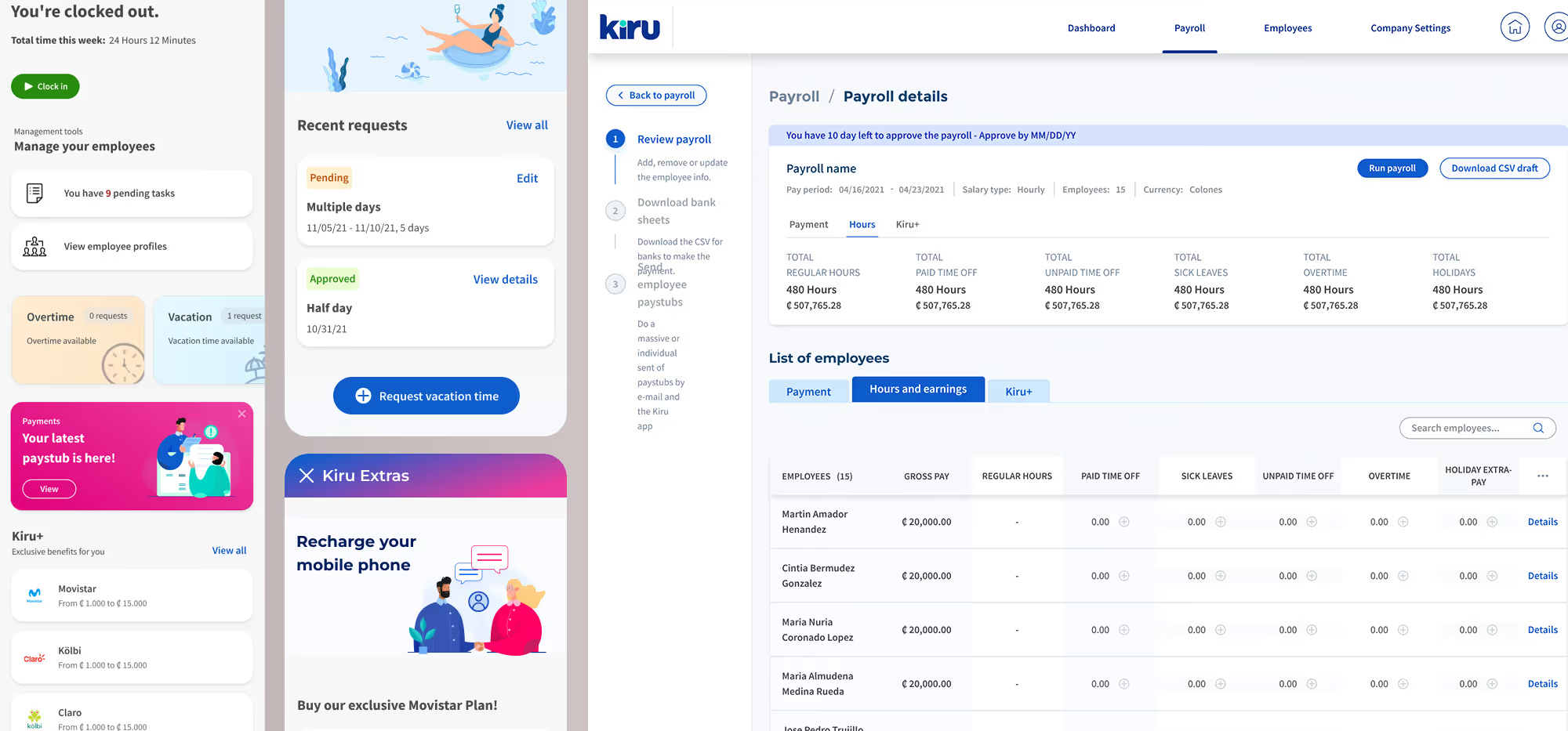
Kiru: A Payroll Startup

PayPal: Unified Card System

Viziphi: Visualizing Wealth
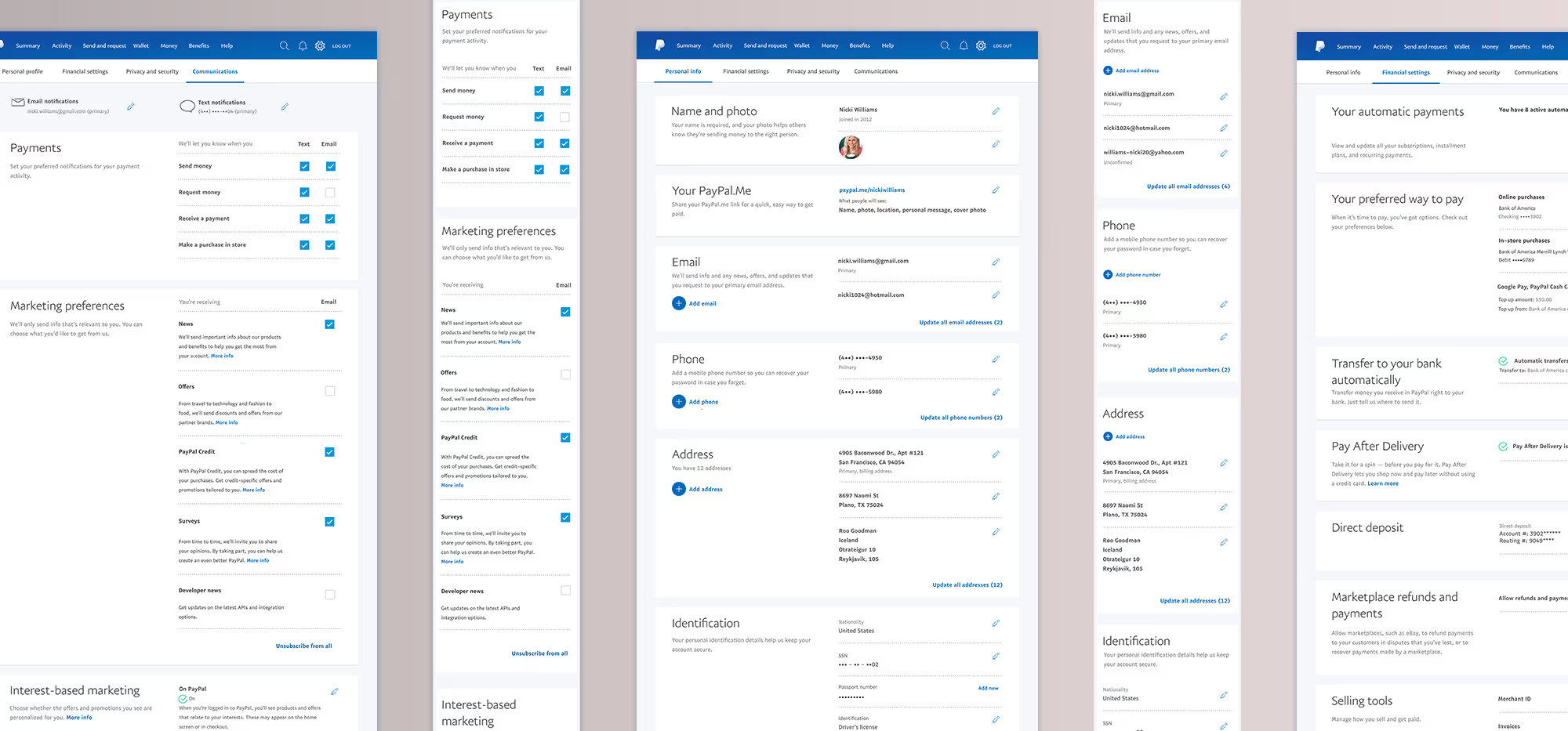
PayPal: Settings Redesign
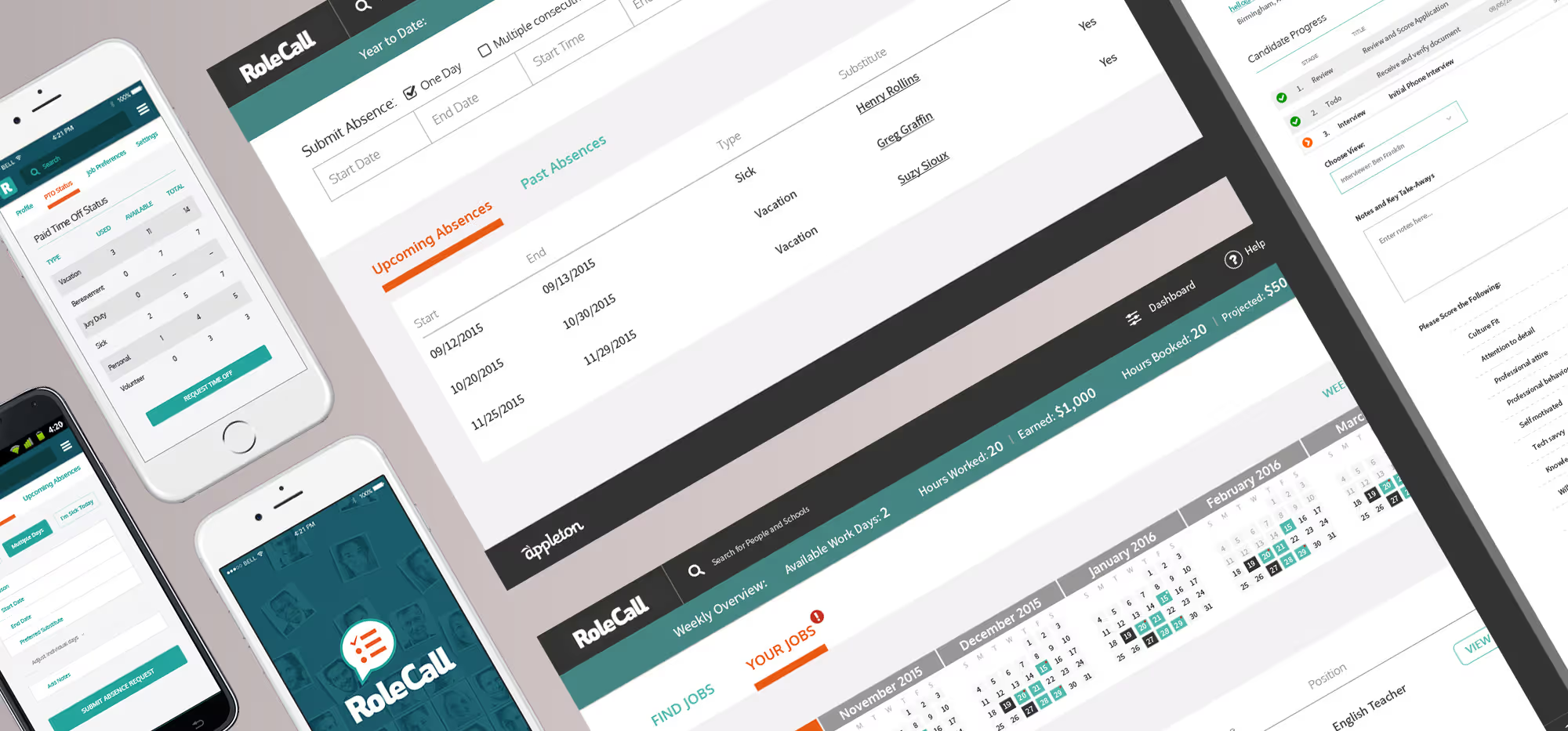
RoleCall: A Platform for K-12 Staffing
